Some mountains seem made to stay in your memory. The Dolomites of Val di Fassa and Val di Fiemme are like this: walls of pale rock that rise above the woods and, at dawn and dusk, glow pink, in the phenomenon known here as enrosadira. These are the most famous Dolomites in eastern Italy, a UNESCO World Heritage Site since 2009, with legendary peaks like the Catinaccio, the Sassolungo, the Marmolada and the Pale di San Martino. In this guide we take you to discover the most beautiful of them, telling you what makes each one special and how far it is from our area. At Italy Holiday we welcome guests in Trentino, and these are the places we would recommend to a friend on the way who wants to see the Dolomites at least once.
1. The Catinaccio, the peaks that turn pink
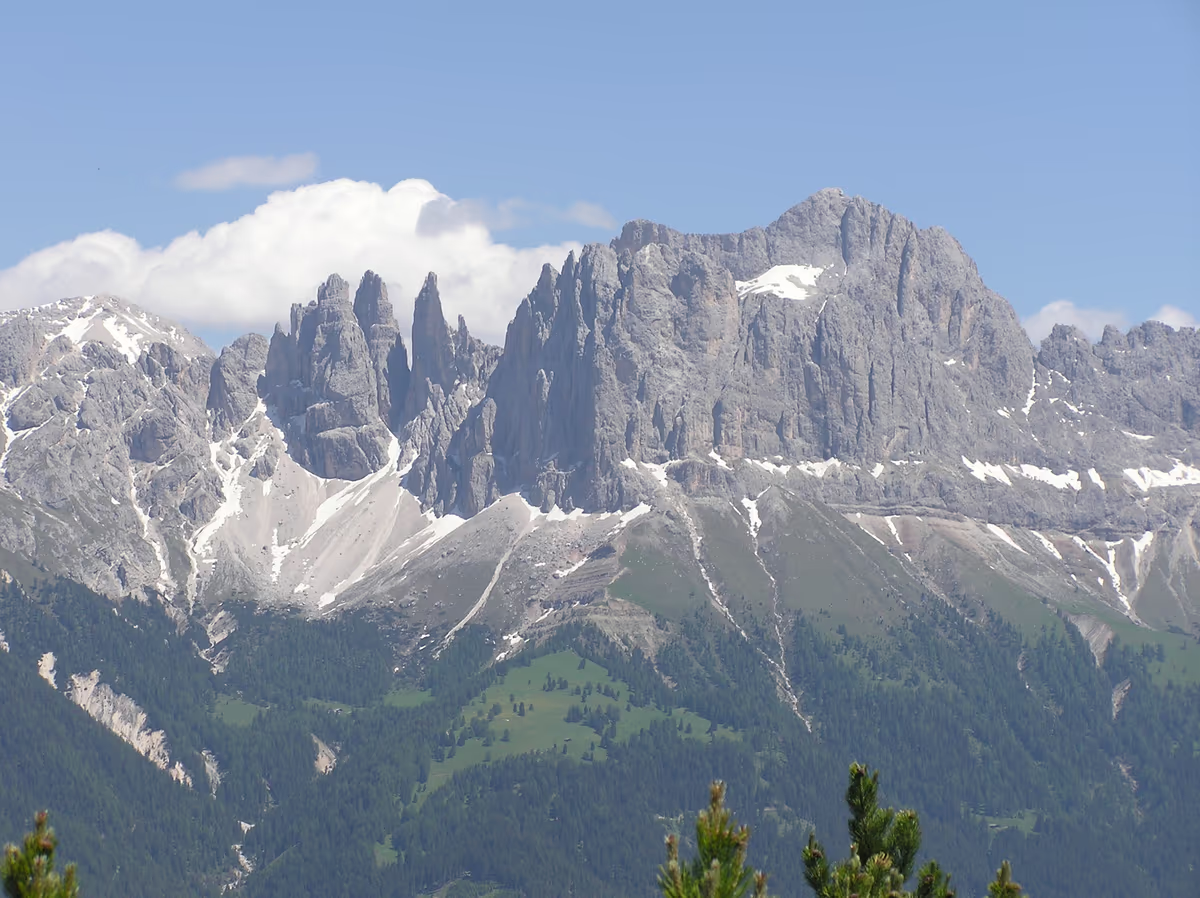
The Catinaccio, also known by its German name Rosengarten, is a Dolomite massif of pale spires and towers that rises above the Val di Fassa. Its highest peak is the Catinaccio d'Antermoia, which is just over 3,000 metres, and at its feet open flowering meadows and mountain huts where you can stop. It is one of the symbols of the eastern Dolomites, part of the UNESCO World Heritage Site.
This is where you can best see the enrosadira, when at dawn and dusk the rock turns pink and red. A legend tells that these mountains were the rose garden of King Laurin, the king of the dwarves, who made them invisible to human eyes but forgot about twilight: that is why, at dawn and dusk, the walls still light up. Not to be missed are the famous Vajolet Towers and the small Antermoia Lake high up, reachable along the trails that climb from the villages of the Val di Fassa.
2. The Sassolungo, the giant of Val di Fassa
The Sassolungo is one of the most recognisable mountains in the Dolomites, an imposing wall that reaches 3,181 metres and dominates the landscape between the Val di Fassa and the Val Gardena. Together with the nearby Sassopiatto it forms a compact group of pale rock, also part of the UNESCO World Heritage Site, visible from afar in all its grandeur.
The finest way to admire it is the loop walk that circles the whole massif, a route of about 16 kilometres and a few hours of walking, with huts to rest at and wide views over the Alpe di Siusi plateau. It is a hike that offers some of the most beautiful panoramas in the Dolomites, suited to those used to walking in the mountains. The best season runs from early summer to autumn.
3. The Marmolada, queen of the Dolomites
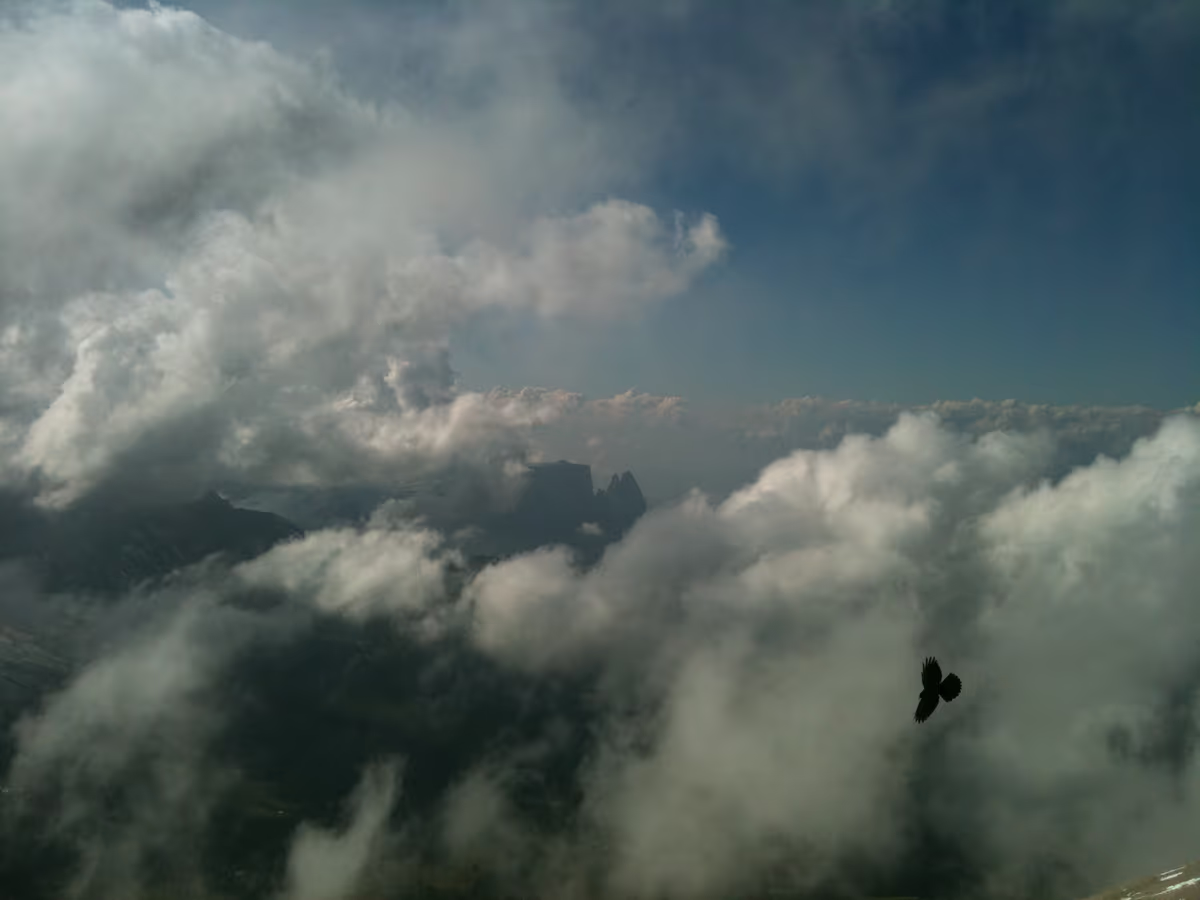
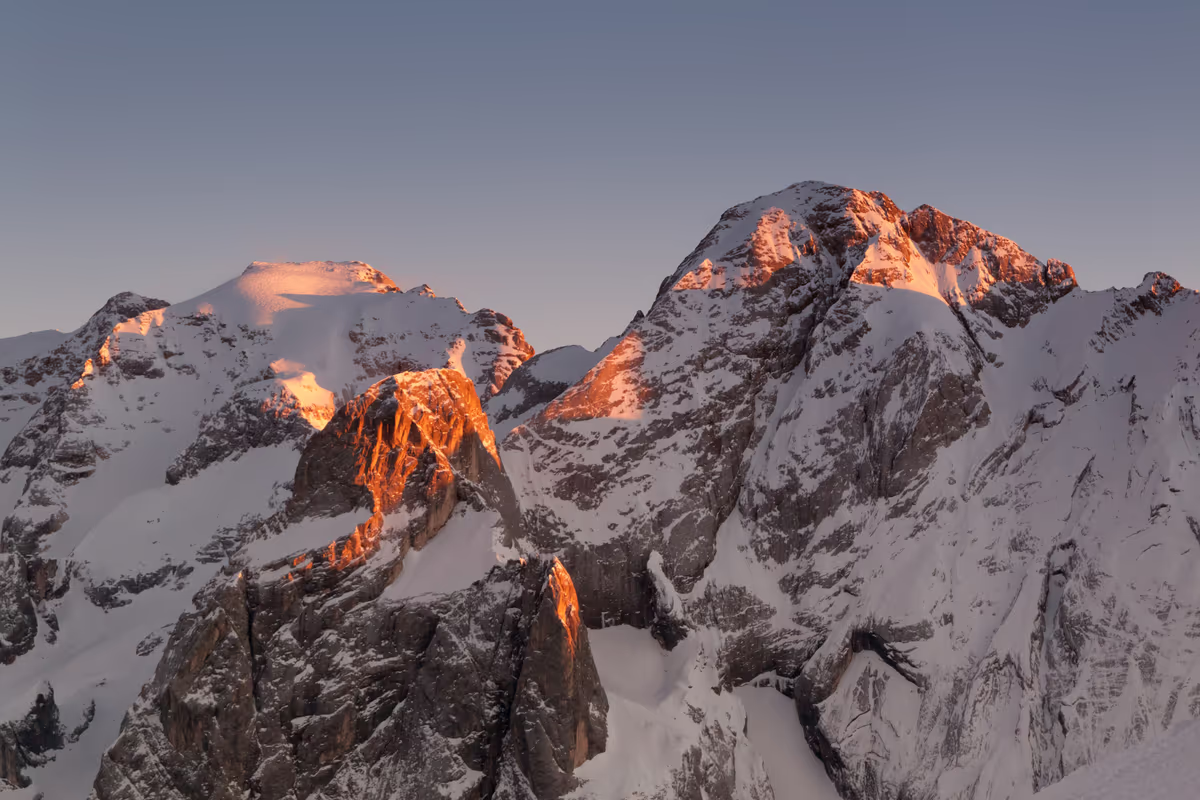
The Marmolada is the highest mountain in the Dolomites, at 3,343 metres at Punta Penia, and for this it is called the queen of the Dolomites. It lies on the border between Trentino and Veneto and holds the largest glacier in the whole range, on its northern face. Like all these peaks, it is part of the UNESCO World Heritage Site.
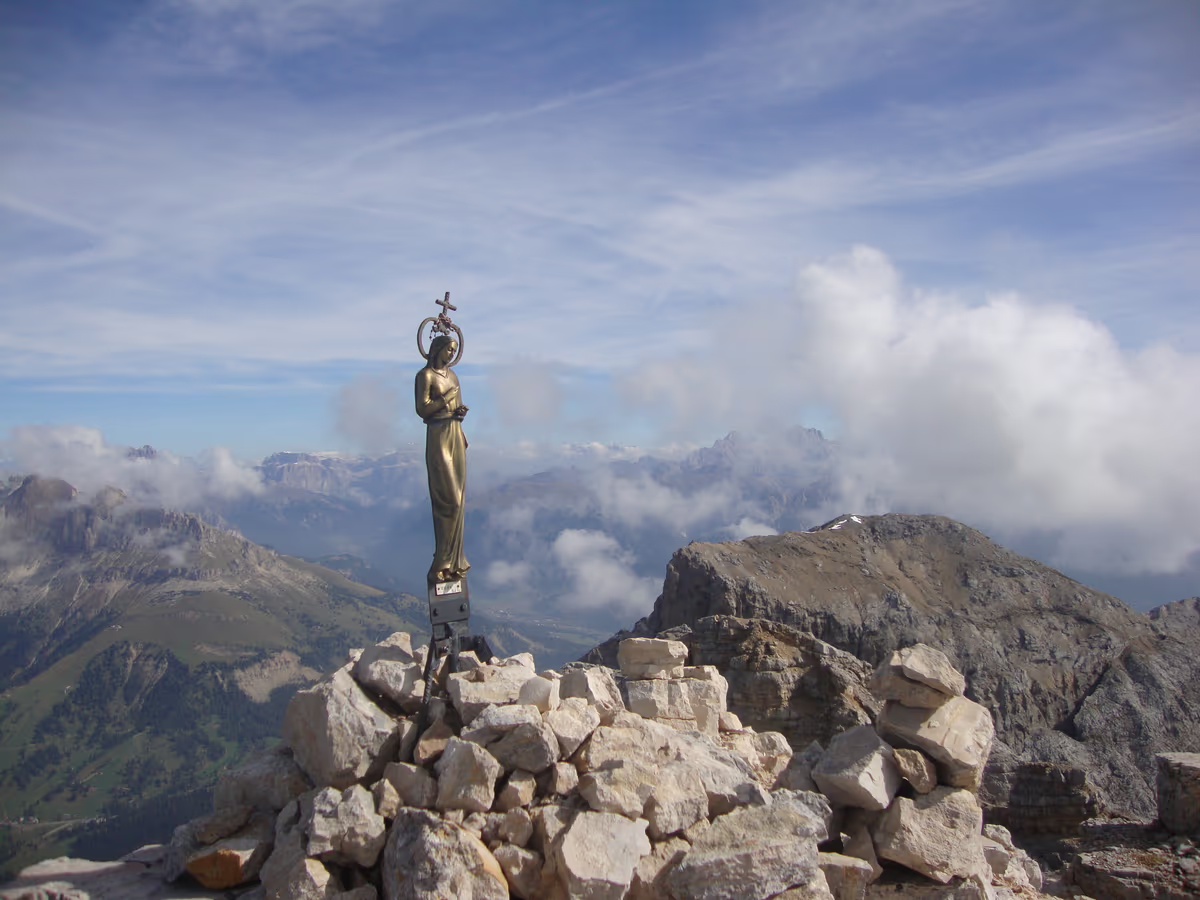
From the valley floor a cable car rises to over 3,200 metres, where a 360-degree panoramic terrace awaits over a sea of peaks and ice, one of the most spectacular panoramas in the Alps. High up there are also a museum dedicated to the Great War, which had some of its hardest pages right here, and the Madonna grotto. Before going up, check the updated lift times on the official website, as they change with the season.
4. Lake Carezza, the mirror of the Dolomites
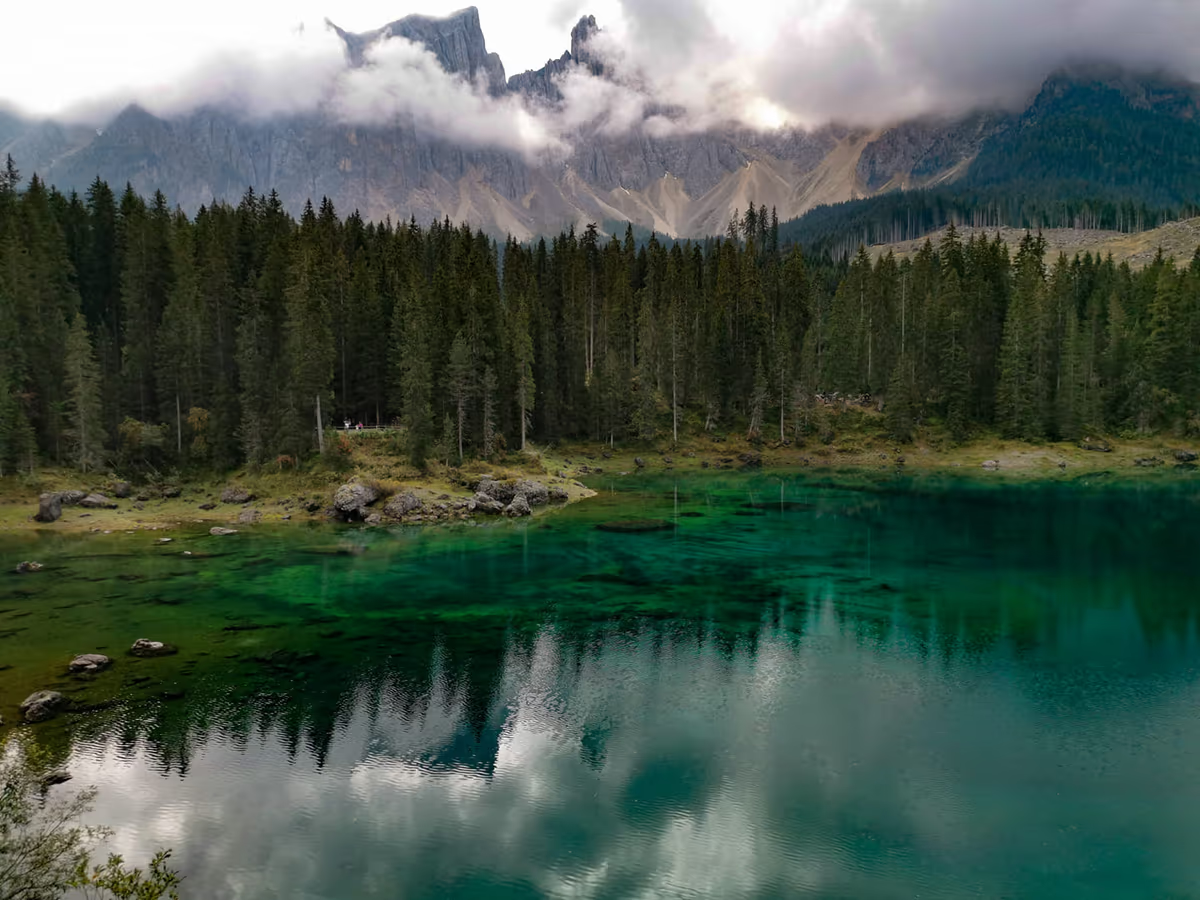
Lake Carezza is a small alpine lake at about 1,520 metres, at the foot of the Latemar, along the road of the Costalunga Pass. Its waters change colour from emerald green to deep blue, and when they are calm they reflect the surrounding peaks like a mirror. For this it is known as the rainbow lake of the Dolomites, one of the most photographed places in these mountains.
A legend links the lake to a nymph and to the colours of the rainbow, and a statue on the shore still recalls her. Around the lake runs a comfortable loop trail, short and suited to families, from which you can admire the peaks of the Latemar and the Catinaccio mirrored in the water. It is a perfect stop to combine with a day among the eastern Dolomites.
5. The Latemar, the spires above the lake
The Latemar is a Dolomite massif of jagged crests, on the border between Trentino and South Tyrol, whose pale walls are mirrored in the waters of the nearby Lake Carezza. Its highest peak, the Cimon del Latemar, reaches 2,842 metres. Like the other mountains in this guide, it is part of the UNESCO World Heritage Site.
At its feet wind the Latemarium nature trails, a network of paths designed for families, with themed stops along the way, alpine meadows and continuous views over the spires. It is a mountain that can be enjoyed on many levels, from easy walks to more demanding hikes. The best season for walking runs from June to September.
6. The Pale di San Martino, the great plateau of rock
The Pale di San Martino are the largest mountain group in the Dolomites, a world of vertical walls and plateaus that rises between eastern Trentino and Veneto. At its centre opens the plateau of the Pale, an immense expanse of pale rock, almost lunar, suspended at around 2,600 metres. Above it all towers the Cimon della Pala, which nears 3,170 metres and is nicknamed the Matterhorn of the Dolomites. The whole group is a UNESCO World Heritage Site.
It is a landscape that seems to belong to another planet, with panoramic trails and via ferrata for every level, and blooms of edelweiss in the most inaccessible spots. It is reached high up from the villages of San Martino di Castrozza and Primiero, from where the lifts and trails set off towards the Rosetta plateau. The hiking season runs from summer to early autumn.
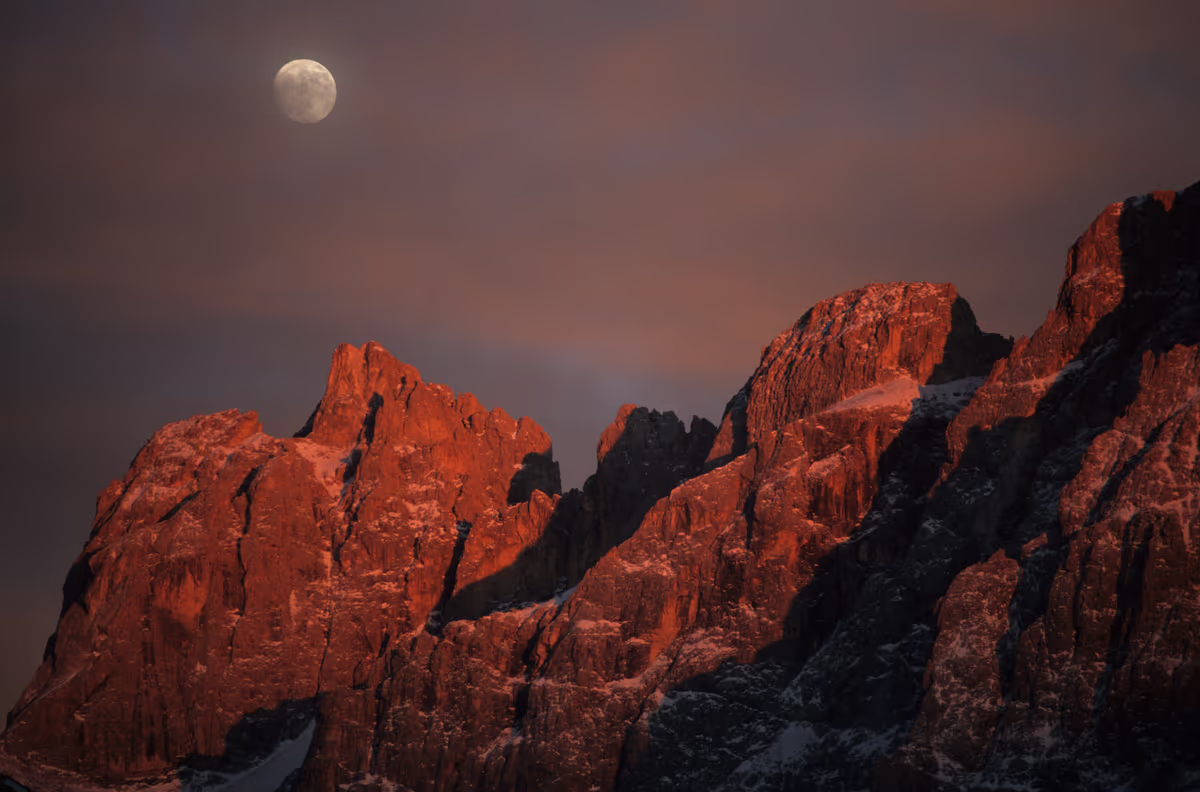
7. Passo Rolle and Baita Segantini
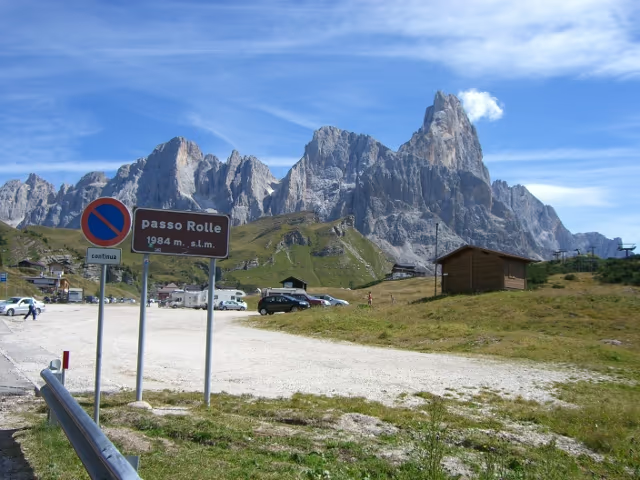
Passo Rolle is an alpine pass at about 1,980 metres, one of the most spectacular gateways to the eastern Dolomites. From here the view opens over the amphitheatre of the Pale di San Martino, dominated by the unmistakable Cimon della Pala, among alpine meadows, trails and famous ski runs. It is an ideal starting point to discover this part of the Dolomites.
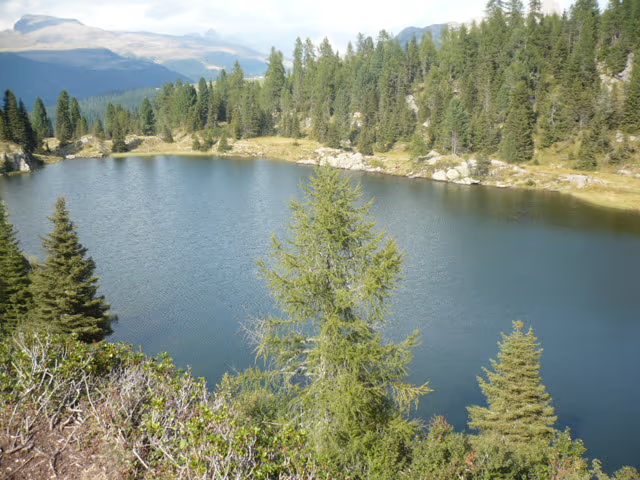
Just above the pass awaits Baita Segantini, a historic hut from the 1930s at about 2,170 metres, beside a small lake that reflects the Cimon della Pala. It is one of the most photographed views in all the Dolomites, even more beautiful at sunset, when the rock lights up. From here you can also descend towards the nearby Val Venegia, a gentle valley at the foot of the Pale.
8. The Paneveggio Pale di San Martino Nature Park
The Paneveggio Pale di San Martino Nature Park is a vast protected area that embraces the ancient Paneveggio forest, the peaks of the Pale and the wild Val Canali. The forest is known as the forest of the violins, because its red spruces, with their prized wood, have been sought for centuries by violin makers to build musical instruments.
It is a UNESCO World Heritage Dolomite landscape, where you can meet deer living semi-wild among the spruces and walk free, no-ticket trails, deep in the woods and beneath the great rock walls. It is the ideal place for those seeking the quieter nature of the Dolomites, away from the crowds. The best season to visit runs from spring to autumn.
A practical tip before you set off
Many of these places change their hours and services with the season, and several lifts and mountain trails are open only in the warmer months. Before planning your day, check the updated lift times and the state of the trails on the official websites, so you avoid surprises and always arrive at the right moment.
Where to stay to visit the Dolomites of Fassa and Fiemme
These Dolomites are famous precisely because they are worth the journey, and many discover them on a day trip. Our main area, the Valsugana around the lakes of Caldonazzo and Levico, is about an hour and a half from the Pale di San Martino and Passo Rolle, and a little under two hours from the Val di Fassa and the Marmolada. They are not next door, but they make a wonderful day out from a quieter base with gentler prices.
The Valsugana and Trento are a handy base for exactly this: you sleep near the lakes, with beaches, cycle paths and good food, and you set off in the morning towards the peaks. From here the Valsugana road leads straight towards San Martino di Castrozza and the Pale, while passing through Trento and the Val di Fiemme you reach the Val di Fassa with the Catinaccio, the Sassolungo and the Marmolada. And if you love the mountains closer still, we also have homes in Val di Sole and Val Rendena, at the foot of the Dolomiti di Brenta, the other great Dolomite group in Trentino.
At Italy Holiday we welcome guests in these areas of Trentino, in well-kept homes designed to make you feel at home from the very first moment. If you dream of a holiday with the Dolomites on the plan, discover where to stay in Valsugana or near Trento and pack your bags: these mountains are waiting for you.
Digital partner for holiday-home owners since 2022.