Trentino is one of the most beautiful corners of the Alps. In just a few hours on the road you pass from the pale walls of the Dolomites, a UNESCO World Heritage Site, to emerald alpine lakes, from waterfalls hidden in the woods to strange earth pyramids carved by the rain. Some of these wonders are famous around the world, others are known mostly by the people who live here. In this guide we take you to discover ten natural wonders of Trentino, telling you what makes each one special, when to go and how far it is from our area. We at Italy Holiday have been welcoming guests to this land for a long time, and these are the places we would recommend to a friend on the way.
1. Dolomiti di Brenta, the pale peaks of the UNESCO World Heritage
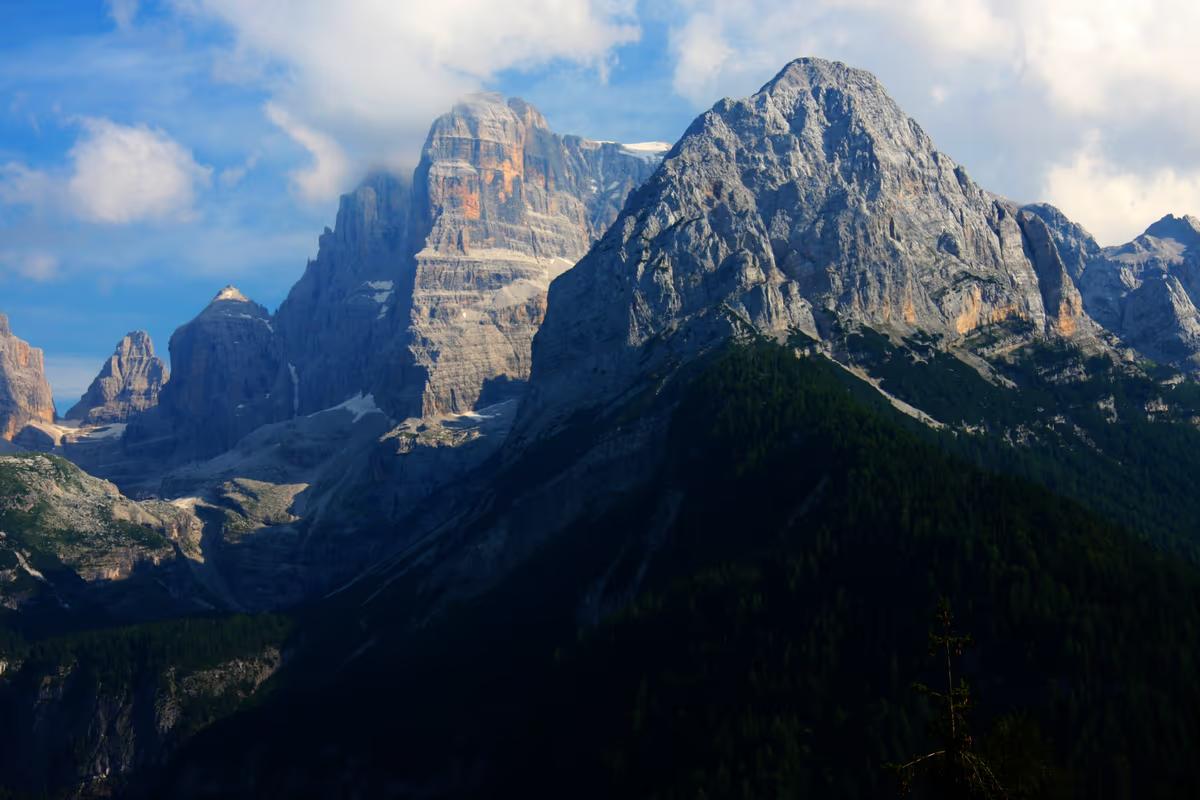
The Dolomiti di Brenta are the only Dolomite group west of the river Adige, and they are part of the Adamello Brenta Nature Park, the largest protected area in Trentino. They are a succession of spires, towers and pinnacles of surprising shapes, with eight peaks rising above 3,000 metres, among them Cima Tosa and Cima Brenta. Since 2009 they have been part of the UNESCO World Heritage.
This is a paradise for mountain lovers, with trails, via ferratas and mountain huts at every altitude. The best season runs from June to September, when the trails are clear of snow. They are reached from the area of Madonna di Campiglio and the Val Rendena, about an hour and a half by car from our area, but the views of the peaks keep you company for much of the journey.
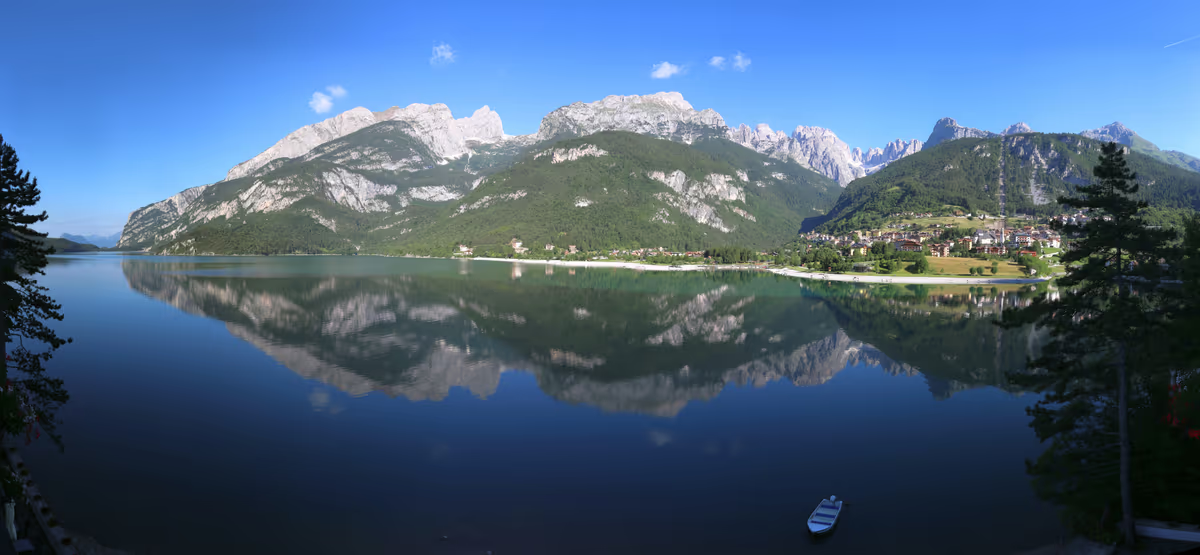
2. Lago di Molveno, the mirror at the foot of the Brenta
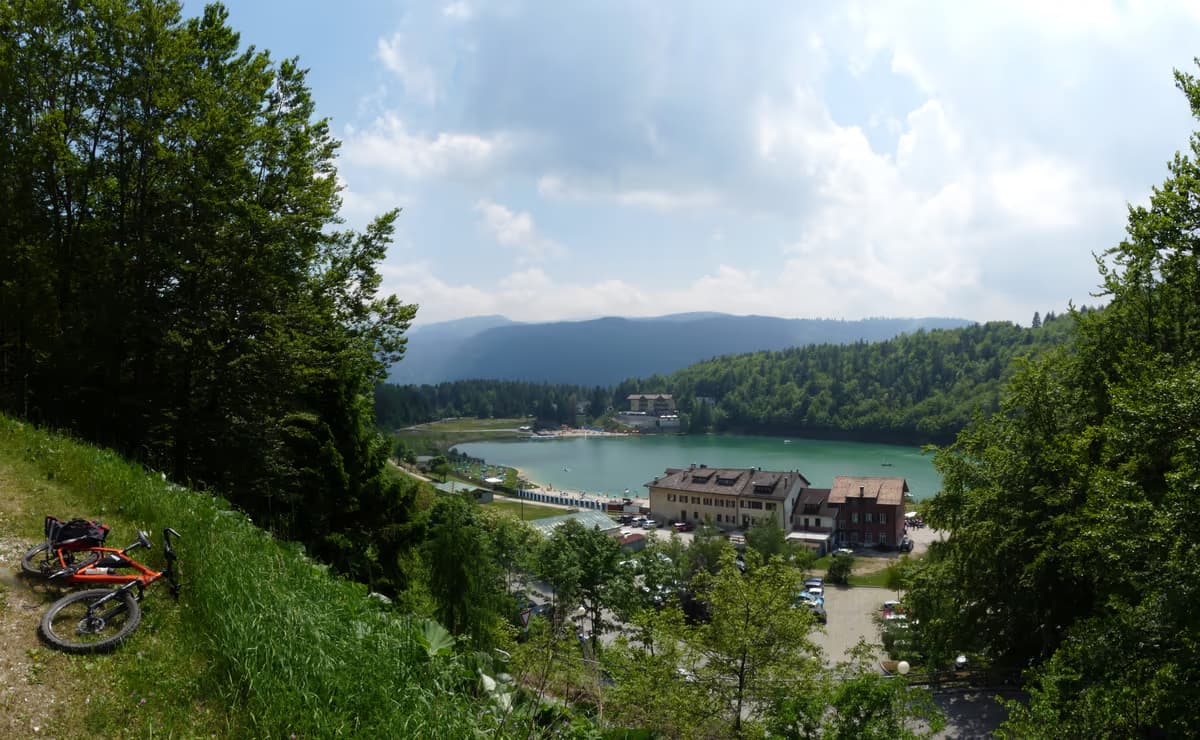
At the foot of the Dolomiti di Brenta opens the Lago di Molveno, an alpine lake with crystal-clear water. Its large grassy beach is so well kept that the lake has been named several times the most beautiful in Italy. A loop trail of about 11 kilometres lets you walk around it in a few hours, through woods, open shores and views of the peaks.
Besides summer swimming, here you can go kayaking, paddleboarding and pedal-boating, and from the nearby cable car you can enjoy the panoramas over the Brenta mountains. The best season runs from late spring to early autumn, with June and September among the quietest months. From our area it is a little more than an hour by car, towards Andalo.
3. Parco Nazionale dello Stelvio and the Saent waterfalls
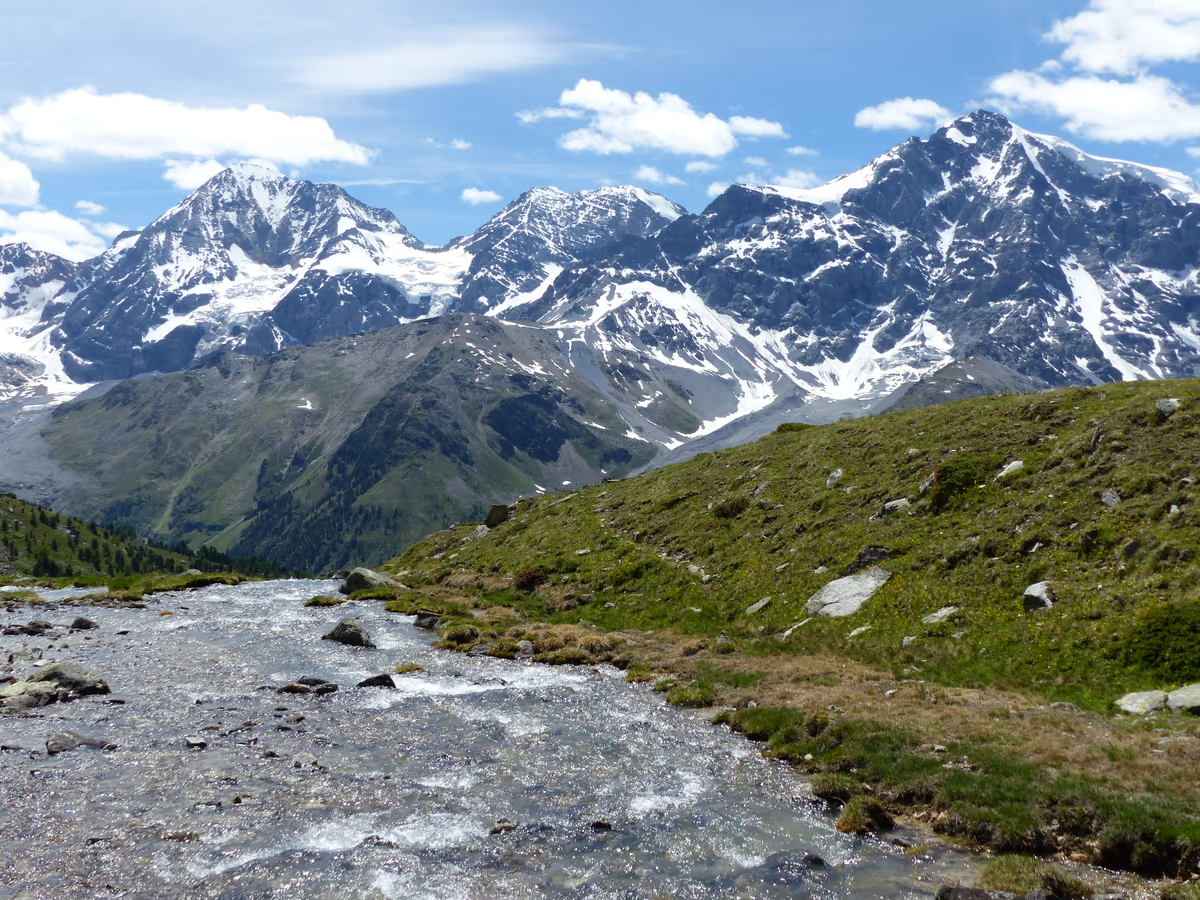
To the west, between the Val di Pejo and the Val di Rabbi, Trentino enters the Parco Nazionale dello Stelvio, one of the largest wild areas in the Alps. Here you find the glaciers of the Ortles-Cevedale group, clear mountain lakes and rich wildlife, with marmots, ibex and chamois among more than a thousand kilometres of trails.
One of the most loved walks is to the Saent waterfalls, in the Val di Rabbi, where the Rabbies stream tumbles down in several falls through the woods. They are reached only on foot, on a trail that climbs between 1,370 and 1,800 metres of altitude, and the best season runs from June to September. From our area the Val di Sole is about an hour and a half by car, and it is worth a day trip.
4. Piramidi di Segonzano, the earth sculptures of the Val di Cembra
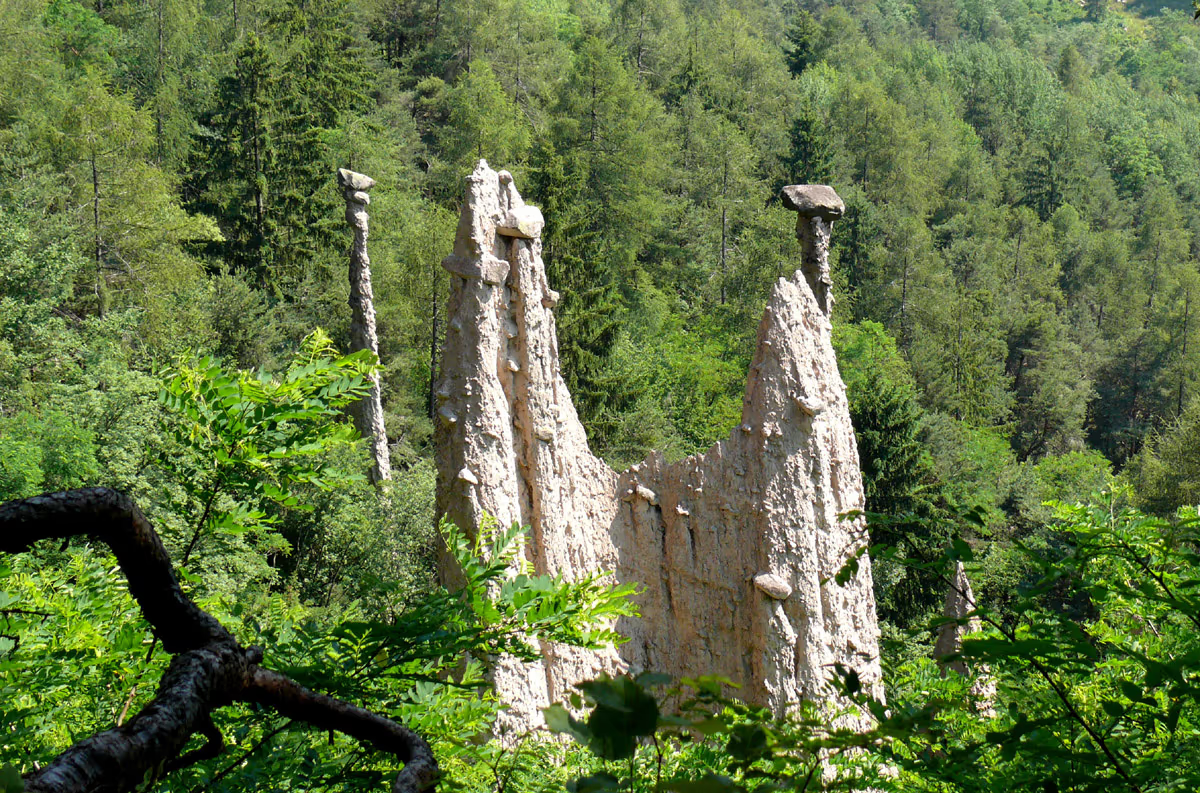
In the Val di Cembra, along the course of the rio Regnana, lies one of the rarest geological wonders of Trentino. The Piramidi di Segonzano are tall earth columns, up to about 20 metres high, each crowned by a porphyry boulder that shields it from the rain. Rain and wind have carved them over time from ancient glacial deposits, creating pinnacles that seem to balance impossibly.
You visit them along an easy loop trail of about four kilometres, suitable for families too, and they can be seen all year round. Spring and autumn give the best colours to the surrounding woods. From our area they are reached in about an hour by car, passing through Trento and climbing towards the Val di Cembra.
5. Lago di Toblino, the lake of the castle
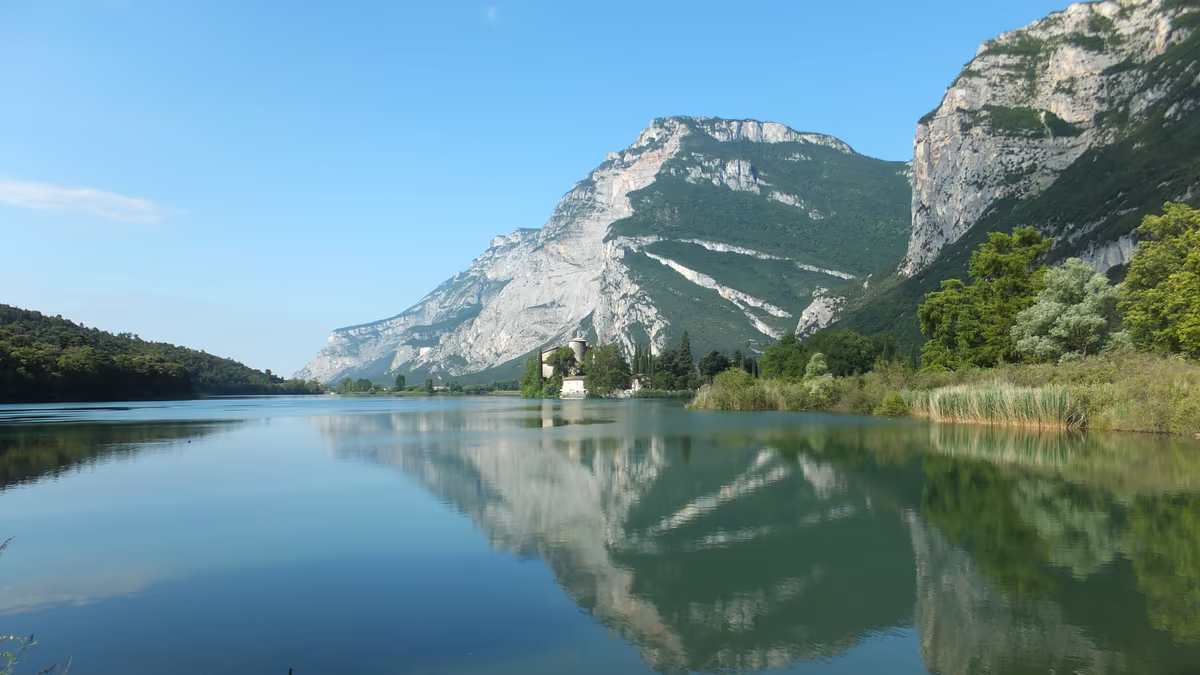
West of Trento, in the Valle dei Laghi, you come across one of the most photographed views in Trentino. The Lago di Toblino is a romantic lake surrounded by wooded hills, vineyards and cypresses, and on its small peninsula stands the Castel Toblino, a twelfth-century castle that seems to float on the water. All around there is mild, almost Mediterranean vegetation, and a protected reserve of water birds.
It is a lovely place to visit all year round, with spring and autumn ideal for walks and birdwatching. It lies about 15 kilometres from Trento and a walkway lets you follow the shores of the lake. From our area it is a little more than a quarter of an hour beyond Trento.
6. Diga di Santa Giustina, the emerald canyon of the Val di Non
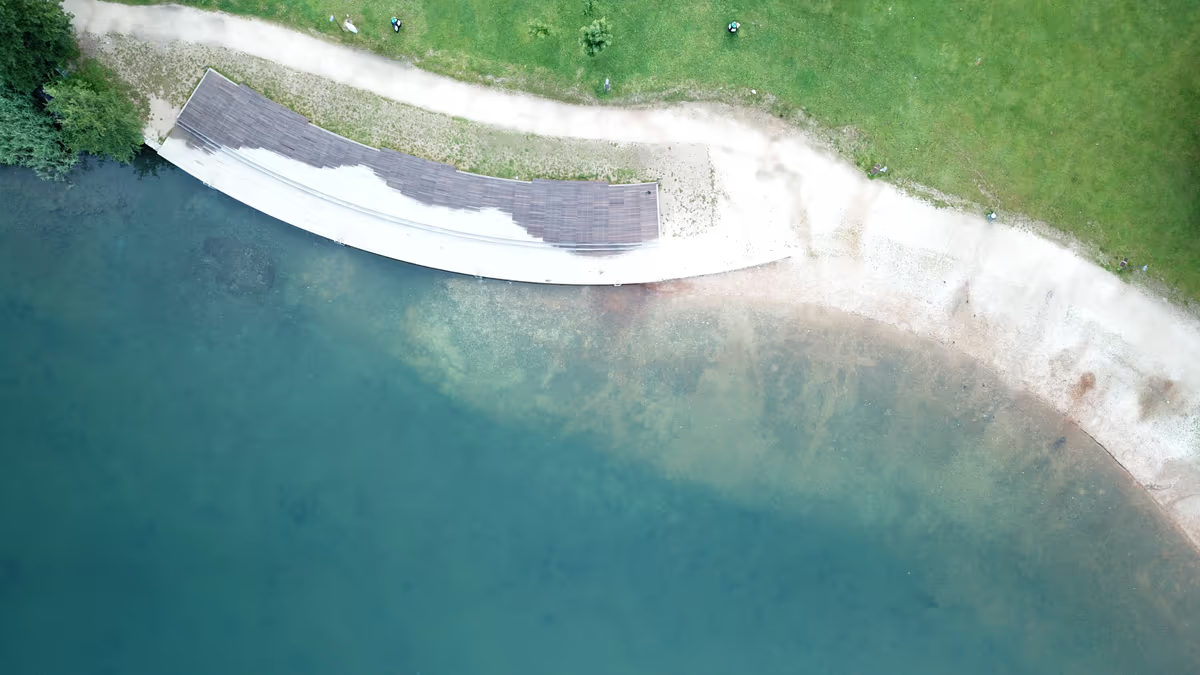
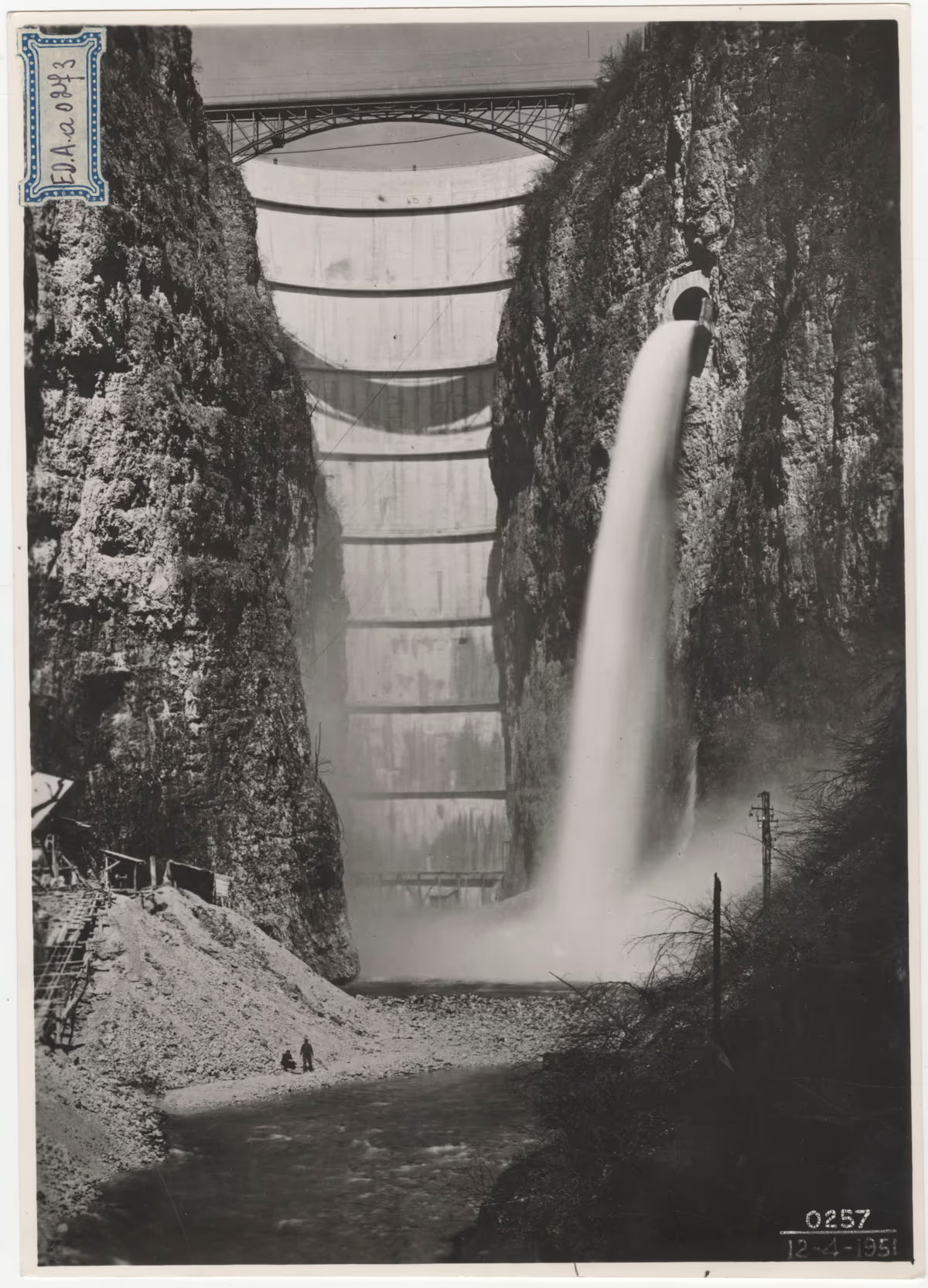
In the heart of the Val di Non, the valley of apples and castles, hides a surprising sight. The Diga di Santa Giustina is a large dam about 152 metres high, built around 1950, which for years was the highest in Europe. It holds back the waters of the river Noce in deep emerald gorges, forming the largest artificial lake in Trentino.
The result is an unexpected landscape of canyons, bridges and turquoise water. When the water level drops, ancient valley-floor bridges resurface. It is a beautiful place all year round, with spring and summer ideal for admiring the colours of the water. From our area the Val di Non is about an hour by car, beyond Trento.
7. Catinaccio, the peaks that turn pink
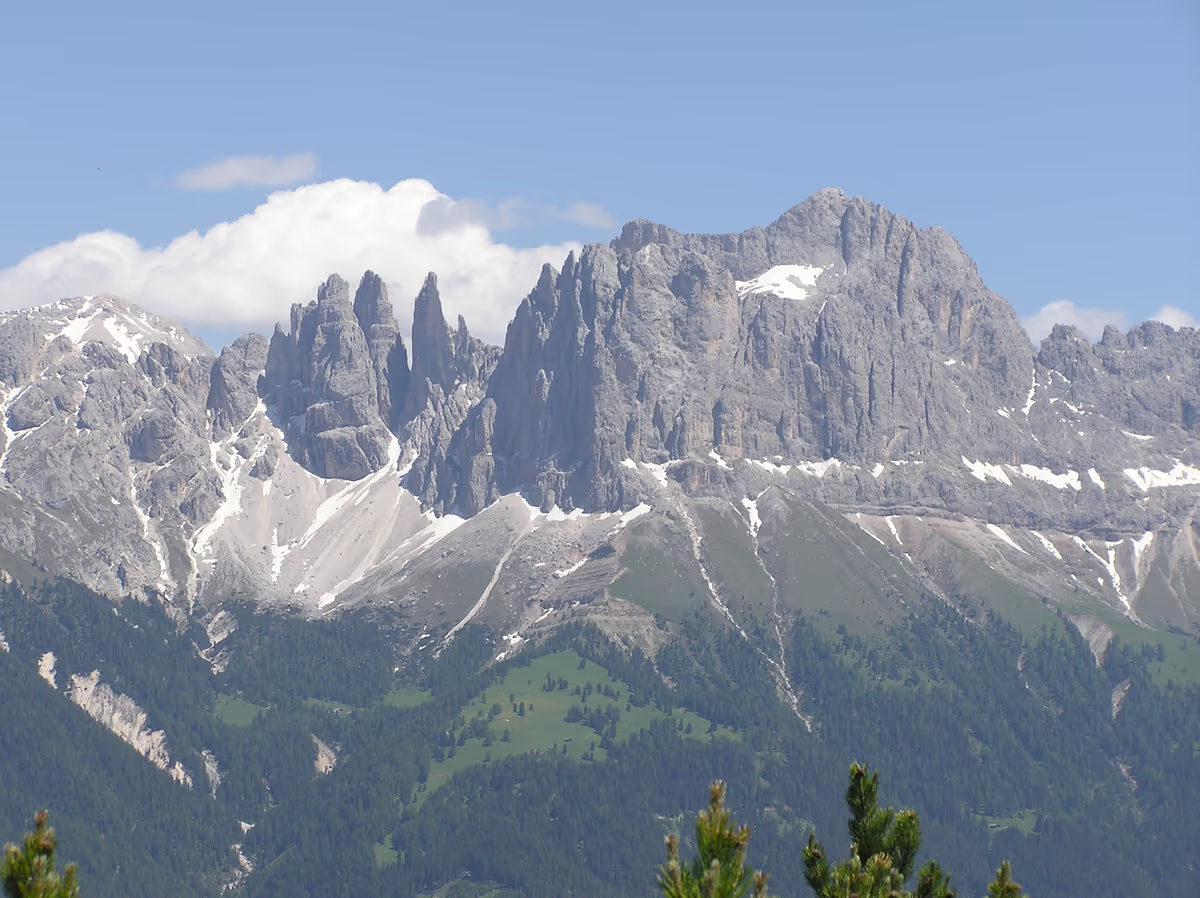
In the Val di Fassa rises one of the most famous Dolomite groups, the Catinaccio, also known by its German name Rosengarten, the garden of roses. Its pale walls are dominated by the Vajolet Towers, and all around open flowering meadows and welcoming mountain huts. It is a place tied to one of the best-loved legends of the Alps, that of King Laurino and his garden of roses.
The most magical thing is the enrosadira, the moment at dawn and at sunset when the rock takes on an intense pink glow. It is best admired from the Val di Fassa, and the best season for the trails runs from late June to September. From our area the Val di Fassa is about an hour and a half by car, and it makes for a day trip.
8. Pale di San Martino, the lunar plateau
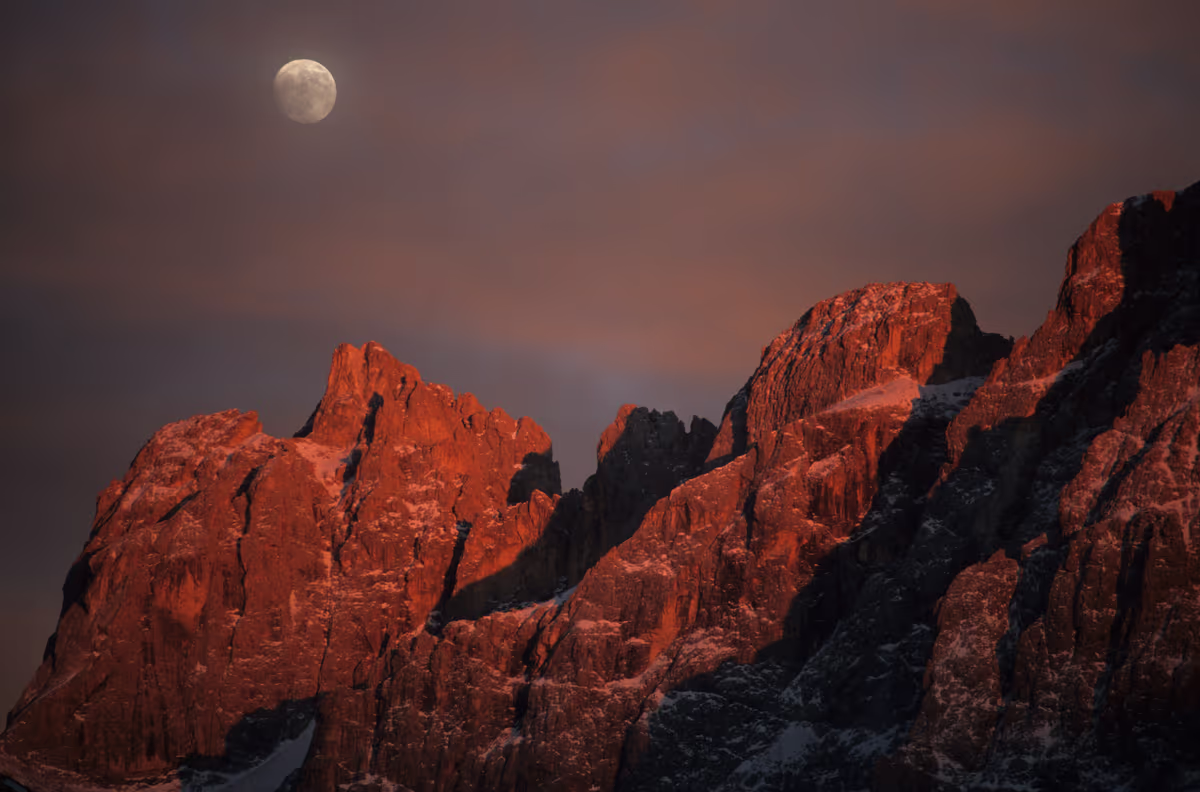
The Pale di San Martino are the largest group in the Dolomites, also a UNESCO World Heritage Site, with pale peaks like the Cimon della Pala rising above a great rocky plateau. The Altopiano delle Pale, at around 2,500 to 2,700 metres of altitude, is an almost lunar landscape of pale rock, rare and astonishing to see.
You go up by cable car from San Martino di Castrozza, and as you walk you meet edelweiss, ridge trails and via ferratas for every level. The best season runs from summer to early autumn. From our area, in the direction of the Primiero, it is reached in about an hour and a half by car, for a day trip.
9. Marmolada, the Queen of the Dolomites
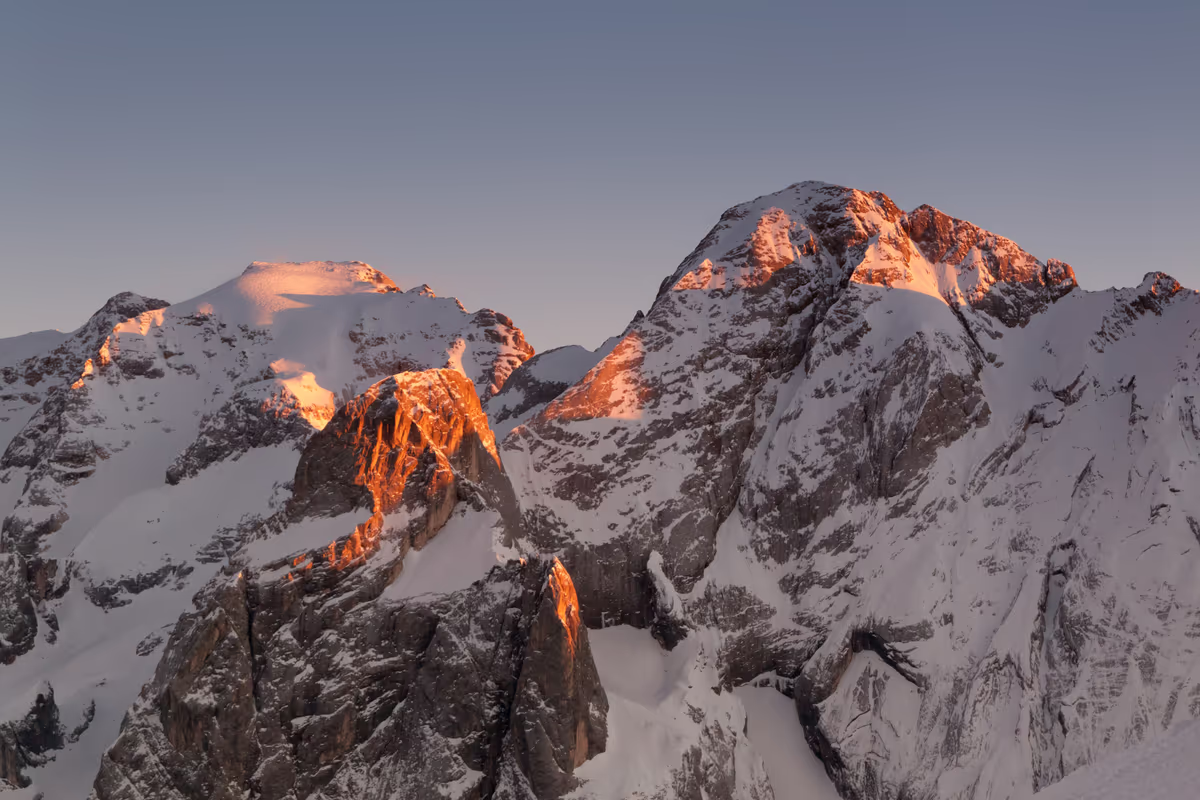
The Marmolada is the highest peak of the Dolomites, at 3,343 metres, and it holds the largest glacier of the whole range. It is called the Queen of the Dolomites, and from its panoramic terrace the eye takes in a sea of peaks. High up there are also a grotto dedicated to the Madonna and a First World War museum.
You go up comfortably by cable car from Malga Ciapela to over 3,250 metres, where the view over the glacier is among the most spectacular in the Alps. The best season for the cable car is summer. It lies on the eastern edge of Trentino, about an hour and a half to two hours by car from our area, and it is a day trip to plan calmly.
10. Lago di Caldonazzo, the great warm lake of the Valsugana
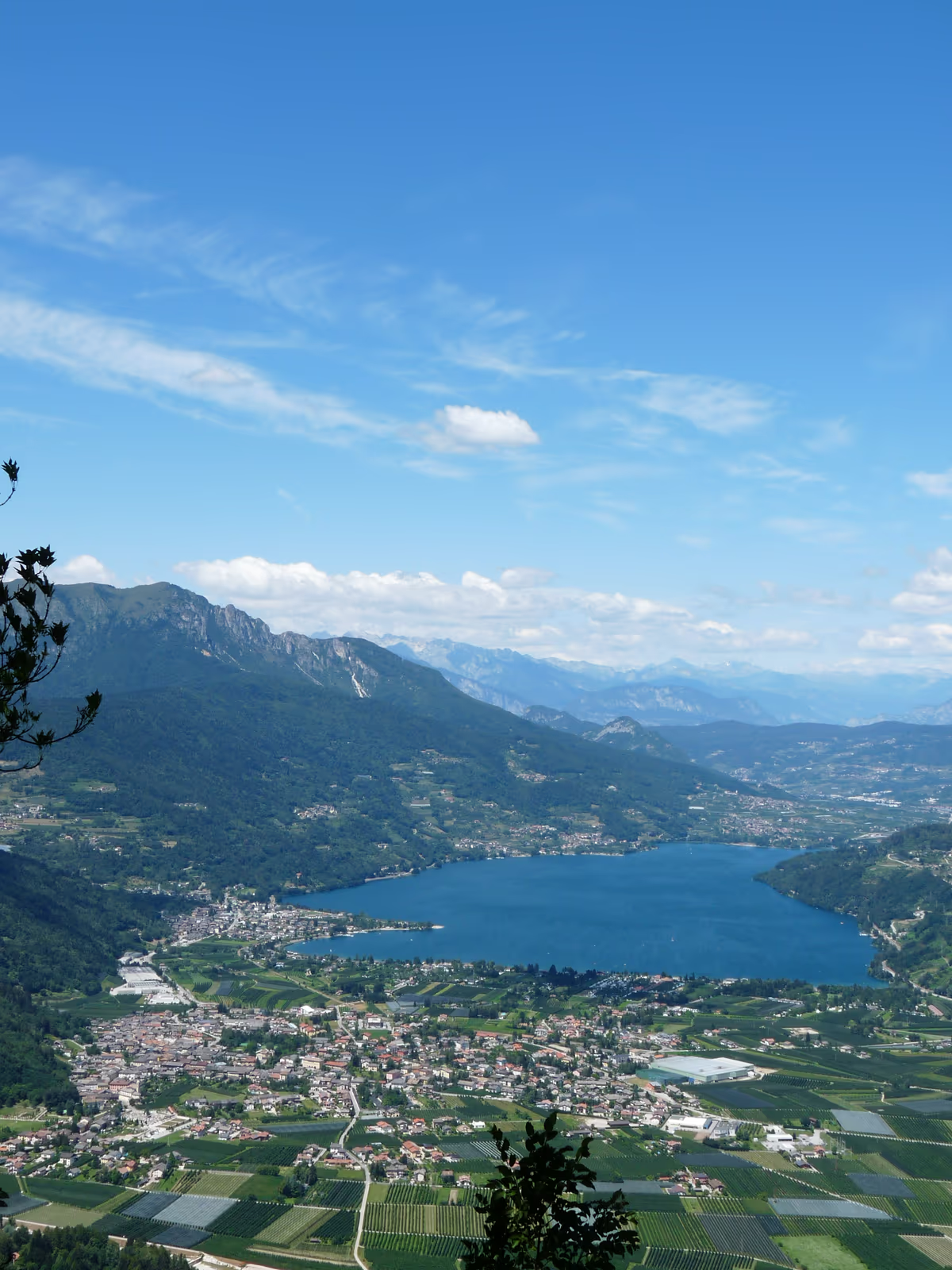
To close, we come back home, to the Valsugana, where the Lago di Caldonazzo awaits you, a large stretch of water set in the green. Its most loved feature is the temperature: it is one of the warmest lakes in southern Europe, with water that in summer reaches close to 24 degrees. Its beaches carry the Blue Flag, perfect for whole days spent on the shore with the whole family.
Here you can swim, but also go sailing, paddleboarding, canoeing and water-skiing. The swimming season runs from May to the end of September. It is the closest of this list: it lies just a few minutes from our homes, about twenty minutes by car from Trento, or by train on the Valsugana line, which stops a short walk from the shores.
Where to stay to discover the nature of Trentino
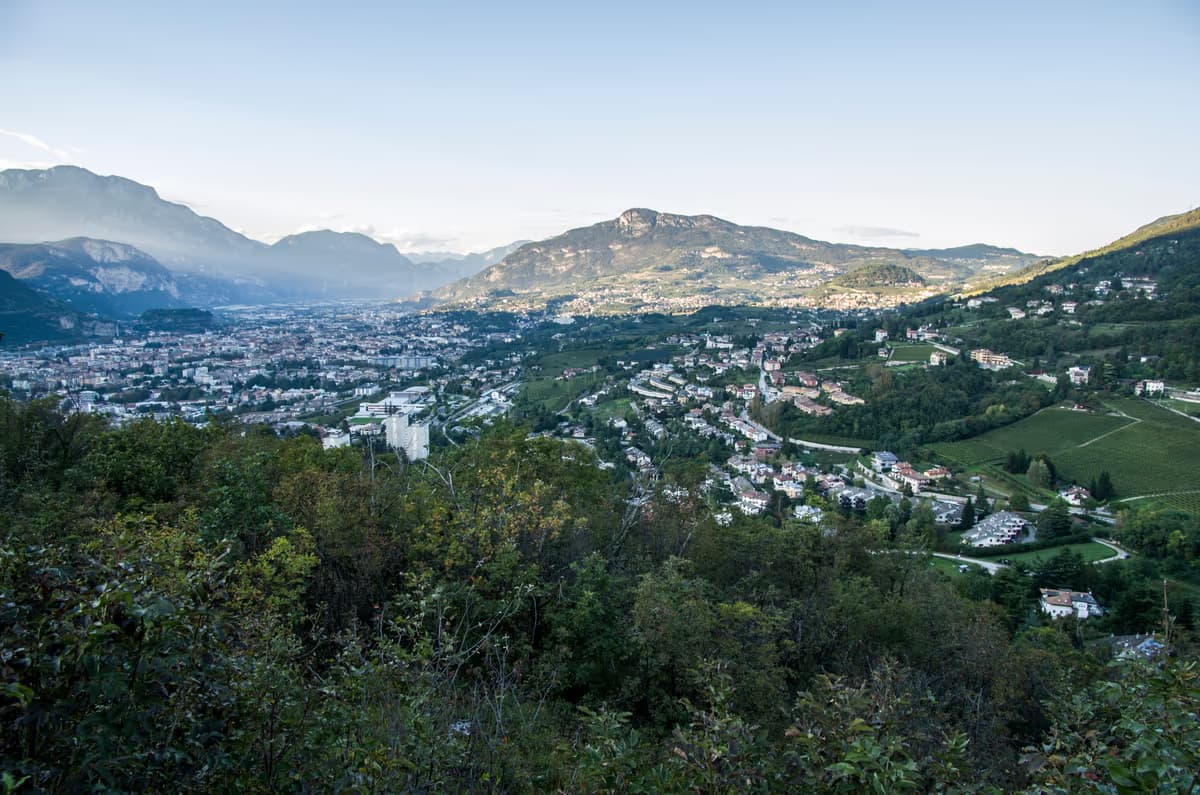
If you look at the map of these ten wonders, you notice one thing: many stay within easy reach from a single base, the Valsugana, the valley of the warm lakes of Trentino. The Lago di Caldonazzo is practically on your doorstep, and from here Trento, the Valle dei Laghi with Toblino, the Piramidi di Segonzano and the Val di Non with the Diga di Santa Giustina are reachable in a short time. The great peaks of the Dolomites, like the Catinaccio, the Pale di San Martino and the Marmolada, and the more distant parks like the Stelvio, remain instead a fine day trip to plan calmly.
This is why the area of the Valsugana lakes, around Caldonazzo, Levico, Calceranica and Pergine, is an ideal base for a holiday in nature. From here you are close to Trento and Rovereto, below the Altopiano della Vigolana, with the Val di Sole and the Val Rendena within reach of a day trip. In the morning you wake up a few minutes from the lake, and when you want to change scenery you have the mountains, the waterfalls and the alpine lakes a short distance away.
We at Italy Holiday welcome guests right in this area, in homes designed to make you feel at home from the very first moment. If you dream of a holiday among lakes and mountains, discover where to stay near the Valsugana lakes and pack your bag: the natural wonders of Trentino are waiting for you.
Partner digitale per proprietari di case vacanza dal 2022.